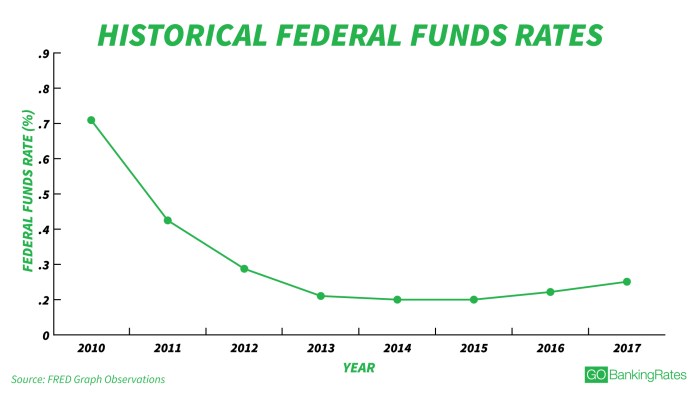
Delving into the realm of savings account interest rates opens up a world of financial opportunities, where understanding the intricacies can lead to significant gains. From unraveling the workings of interest rates to uncovering the key factors influencing them, this journey promises valuable insights for anyone looking to make the most of their savings.
Exploring the landscape of savings accounts and bonds, this discussion aims to shed light on the nuances of interest rates, empowering individuals to navigate the realm of personal finance with confidence and clarity.
Savings Account Interest Rates
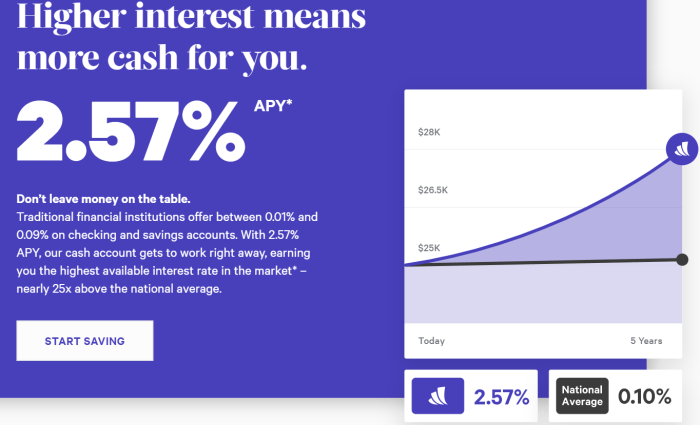
When you deposit money into a savings account, the bank pays you interest in return. Savings account interest rates are the percentage of the principal amount that the bank pays you over a certain period of time.
Factors Influencing Savings Account Interest Rates
Several factors can influence the interest rates offered on savings accounts:
- The current economic environment, including inflation rates and overall interest rate trends.
- The financial health of the bank or financial institution offering the savings account.
- The type of savings account you choose, such as a traditional savings account or a high-yield savings account.
- The amount of money you deposit into the account, as some accounts offer tiered interest rates based on account balances.
Comparison of Different Types of Savings Accounts
Various savings accounts offer different interest rates depending on the type of account:
| Account Type | Interest Rate |
|---|---|
| Traditional Savings Account | Low to moderate interest rates |
| High-Yield Savings Account | Higher interest rates, but may require a higher minimum balance |
| Online Savings Account | Competitive interest rates with low fees |
Tips for Finding the Best Savings Account Interest Rates
- Compare interest rates offered by different banks and financial institutions.
- Consider the terms and conditions of the savings account, such as minimum balance requirements and fees.
- Look for promotional offers or bonuses for opening a new savings account.
- Check for any restrictions on withdrawals that could impact your ability to earn interest.
Savings Bonds
Savings bonds are a type of investment vehicle issued by the government to raise funds. They are different from savings accounts in terms of how they generate interest and how they are purchased and redeemed.
Difference between Savings Accounts and Savings Bonds
- Savings accounts are offered by banks and credit unions, while savings bonds are issued by the government.
- Savings accounts typically have lower interest rates compared to savings bonds, making bonds a potentially more lucrative investment.
- Savings bonds have a fixed maturity date, while savings accounts do not have a specific maturity date.
Advantages of Investing in Savings Bonds
- Guaranteed return: Savings bonds are backed by the government, providing a secure investment option.
- Tax advantages: Interest earned on savings bonds may be tax-exempt at the state and local levels.
- Flexible terms: Savings bonds come in different denominations and maturity periods, allowing investors to choose the option that best suits their needs.
How Savings Bonds Generate Interest
Savings bonds accrue interest over time based on a fixed rate determined at the time of purchase. The interest is added to the bond’s principal value, increasing the total amount that will be paid out upon redemption.
Process of Purchasing and Redeeming Savings Bonds
- To purchase savings bonds, individuals can buy them online through the TreasuryDirect website or through financial institutions such as banks and credit unions.
- When redeeming savings bonds, investors can do so at a bank, credit union, or through the TreasuryDirect website. The bonds can be cashed in after a minimum holding period, typically one year.
- It’s important to note that savings bonds may have penalties for early redemption before their maturity date.
As we conclude our exploration of savings account interest rates, it becomes evident that a well-informed approach can pave the way for optimal financial growth. Armed with knowledge and strategic tips, individuals can embark on a journey towards maximizing their savings potential and securing a stable financial future.
Expert Answers
What factors can influence savings account interest rates?
Factors such as the economy, the bank’s policies, and the type of savings account can all play a role in determining the interest rates offered.
How can I find the best savings account interest rates?
Researching different banks, comparing their rates, and considering factors like fees and minimum balance requirements can help you find the most favorable savings account interest rates.