
Starting with Can You Transfer Savings Bonds?, this opening paragraph aims to capture the reader’s attention and provide an interesting overview of the topic.
The second paragraph will delve into more detailed information about the topic.
SAVINGS ACCOUNT
A savings account is a type of bank account designed to help individuals save money over time while earning interest on their deposits. It provides a secure place to store funds and offers easy access to the money when needed.
Comparison to Other Types of Accounts
- Savings accounts typically offer lower interest rates compared to investment accounts like stocks or mutual funds, but they also come with lower risk.
- Unlike checking accounts, savings accounts usually limit the number of withdrawals you can make each month without incurring fees.
- Certificates of Deposit (CDs) may offer higher interest rates than savings accounts but require you to lock in your money for a specific period.
Benefits of Having a Savings Account
- Interest Earnings: Savings accounts earn interest on your deposits, allowing your money to grow over time.
- Security: Funds in a savings account are typically FDIC-insured up to a certain limit, providing a safe place to keep your money.
- Emergency Fund: A savings account can serve as an emergency fund, providing a financial cushion for unexpected expenses.
- Financial Goals: Saving in a dedicated account can help you reach specific financial goals, such as buying a home or taking a vacation.
SAVINGS BONDS
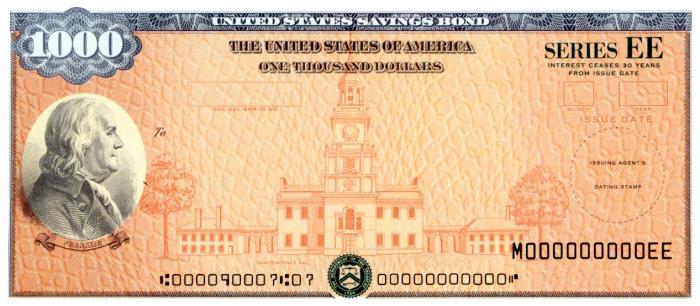
Savings bonds are a type of investment issued by the government to raise funds for various projects. They are considered a safe and low-risk investment option, making them popular among conservative investors.
Types of Savings Bonds
- Series EE Bonds: These are purchased at face value and accrue interest over time until they reach maturity.
- Series I Bonds: These bonds are inflation-protected and offer a combination of a fixed interest rate and an inflation rate component.
- Series HH Bonds: These are no longer issued but were available as exchangeable bonds for Series E and Series EE bonds.
Advantages of Investing in Savings Bonds
- Low Risk: Savings bonds are backed by the government, making them a secure investment option.
- Fixed Interest Rates: Certain types of savings bonds offer fixed interest rates that provide a predictable return on investment.
- Tax Benefits: Interest earned on savings bonds may be exempt from state and local taxes, making them a tax-efficient investment.
- Accessibility: Savings bonds can be easily purchased online through the TreasuryDirect website, making them convenient for investors.
CAN YOU TRANSFER SAVINGS BONDS?
Transferring savings bonds is a common practice that allows individuals to move ownership of the bonds from one person to another. This process can be done for various reasons, such as transferring the bonds as a gift to a family member or consolidating assets within a family.
Process of Transferring Savings Bonds
Transferring savings bonds typically involves filling out the necessary paperwork provided by the financial institution where the bonds are held. The current owner will need to sign off on the transfer, and the new owner’s information will need to be provided. Once the paperwork is processed, the ownership of the savings bonds will be officially transferred.
Reasons for Transferring Savings Bonds
Estate planning
Transferring savings bonds can be a part of estate planning to ensure a smooth transfer of assets to beneficiaries.
Gift-giving
Many individuals transfer savings bonds as gifts to family members or loved ones to help them with future financial goals.
Consolidation
Some individuals may choose to transfer savings bonds to consolidate assets or simplify their financial portfolios.
Restrictions on Transferring Savings Bonds
Age restrictions
In some cases, minors may not be able to directly own savings bonds, so a custodian may need to be involved in the transfer process.
Tax implications
Transferring savings bonds can have tax implications, so it’s important to consider the tax consequences before making any transfers.
Redemption restrictions
Certain types of savings bonds may have restrictions on when they can be redeemed or transferred, so it’s essential to check the terms and conditions before initiating a transfer.
Concluding with a captivating summary, this paragraph wraps up the discussion on transferring savings bonds.
FAQ Compilation
Can you transfer savings bonds to another person?
Yes, savings bonds can be transferred, but certain conditions may apply depending on the type of bond and the specific situation. It’s best to consult with the financial institution or the Treasury Department for guidance.
Are there any fees involved in transferring savings bonds?
There may be fees associated with transferring savings bonds, so it’s important to check with the institution handling the transfer to understand the costs involved.
Can savings bonds be transferred online?
Some financial institutions may offer online transfer services for savings bonds, but it’s essential to verify the process and requirements with the specific institution.


