Delving into Series I Savings Bonds Rates opens up a world of financial intricacies, from how rates are set to the historical context of these investments. Let’s explore the nuances together.
As we navigate through the details, you’ll gain insights into the factors influencing rate fluctuations and how these changes can affect the value of Series I Savings Bonds.
Series I Savings Bonds Rates
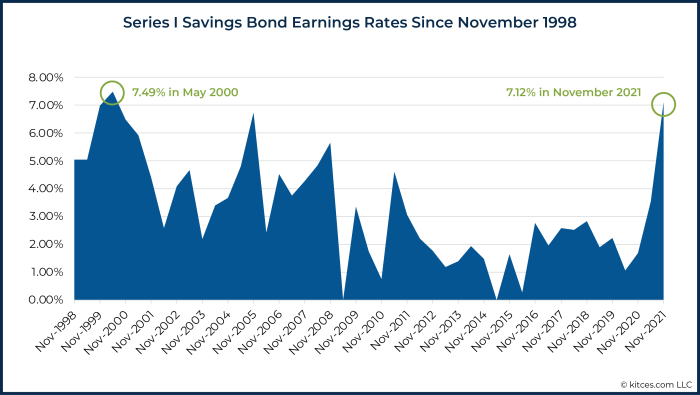
Series I Savings Bonds rates are determined by a combination of a fixed rate and a variable rate based on inflation. The fixed rate remains constant for the entire life of the bond, while the variable rate is adjusted semi-annually based on changes in the Consumer Price Index for All Urban Consumers (CPI-U).
Comparison of Current Rates with Historical Rates
As of [current date], the composite rate for Series I Savings Bonds is [current rate]% with a fixed rate of [current fixed rate]% and a variable rate of [current variable rate]%. Over the past decade, Series I Savings Bonds rates have fluctuated based on economic conditions, with some years experiencing higher rates due to increased inflation, while other years saw lower rates due to economic stability.
Factors Influencing Fluctuations in Series I Savings Bonds Rates
- Economic indicators such as inflation rates and interest rates set by the Federal Reserve
- Global economic conditions and geopolitical events
- Domestic fiscal policies and government debt levels
- Investor demand for safe-haven assets
Impact of Changes in Interest Rates on Series I Savings Bonds Value
Changes in interest rates directly impact the value of Series I Savings Bonds. When interest rates rise, the value of existing bonds decreases as new bonds offer higher returns. Conversely, when interest rates fall, the value of existing bonds increases as they offer higher returns compared to new bonds issued at lower rates.
Savings Bonds vs. Savings Accounts
When comparing Series I Savings Bonds to traditional savings accounts, there are several key differences to consider. Series I Savings Bonds are a type of investment issued by the U.S. Department of the Treasury, while savings accounts are deposit accounts offered by banks and credit unions for storing funds securely.
Benefits of Investing in Series I Savings Bonds
- Series I Savings Bonds offer protection against inflation, as the interest rate is adjusted semi-annually based on the Consumer Price Index.
- They are backed by the U.S. government, making them a low-risk investment option.
- Interest earned on Series I Savings Bonds is exempt from state and local taxes, and federal taxes can be deferred until the bonds are redeemed.
Risks Associated with Series I Savings Bonds
- One risk of investing in Series I Savings Bonds is the potential loss of purchasing power if inflation rates are higher than the bond’s interest rate.
- If the bonds are redeemed before five years, there is a penalty of the last three months’ interest.
Scenarios Favoring Savings Accounts Over Series I Savings Bonds
- For short-term savings goals or emergency funds that require quick access to funds, a savings account may be more advantageous due to its liquidity.
- If interest rates in the market are higher than the current rate on Series I Savings Bonds, opting for a high-yield savings account could provide better returns.
In conclusion, Series I Savings Bonds Rates offer a unique investment opportunity with a blend of stability and growth potential. By understanding the dynamics of these rates, investors can make informed decisions to enhance their financial portfolios.
General Inquiries
How are Series I Savings Bonds rates determined?
Series I Savings Bonds rates are based on a combination of a fixed rate and a semi-annual inflation rate, which are recalculated every six months.
What are the benefits of investing in Series I Savings Bonds over traditional savings accounts?
Series I Savings Bonds offer protection against inflation and are backed by the U.S. government, providing a safe and reliable investment option.
Are there risks associated with Series I Savings Bonds?
While Series I Savings Bonds are low-risk, they do carry the risk of inflation eroding the purchasing power of the bond’s interest earnings.
When might choosing a savings account be more advantageous than investing in Series I Savings Bonds?
If you require immediate access to your funds or prefer higher liquidity, a savings account might be a better choice compared to locking your funds into Series I Savings Bonds.