Embark on a journey to financial wellness with our detailed guide on opening a savings account. From understanding the basics to mastering the art of saving, this article has everything you need to kickstart your savings journey.
Overview of Savings Account
A savings account is a type of deposit account offered by financial institutions where individuals can store their money securely while earning interest on the deposited amount. It is a convenient way to save money for future financial goals and emergencies.
Benefits of Having a Savings Account
- Provides a safe place to store money
- Earns interest on the deposited amount
- Easy access to funds for emergencies
- Helps in achieving financial goals
- Builds a habit of saving regularly
Importance of Opening a Savings Account for Financial Goals
Opening a savings account is crucial for achieving financial goals as it allows individuals to save money consistently over time. By earning interest on the deposited amount, the account can help grow savings faster and provide a financial cushion for unexpected expenses or future investments.
Choosing the Right Bank
When it comes to selecting a bank for opening a savings account, there are several factors to consider to ensure you make the best choice for your financial needs.
Types of Savings Accounts
Banks offer various types of savings accounts, each designed to cater to different customer needs. Some common types include:
- Regular Savings Accounts: These accounts typically have lower interest rates but may have lower minimum balance requirements.
- High-Yield Savings Accounts: These accounts offer higher interest rates but might require a higher minimum balance.
- Money Market Accounts: These accounts often have higher interest rates than regular savings accounts and may provide check-writing privileges.
- Certificates of Deposit (CDs): CDs offer fixed interest rates for a specific term, but funds are locked in until maturity.
Comparing Interest Rates and Fees
Before choosing a bank for your savings account, it is essential to compare interest rates and fees across different financial institutions.
- Interest Rates: Look for a bank that offers competitive interest rates to help your savings grow over time.
- Fees: Consider any maintenance fees, minimum balance requirements, or transaction fees associated with the account to ensure they align with your financial goals.
- Introductory Offers: Some banks may offer introductory interest rates or bonus incentives for opening a new savings account, so be sure to explore these options.
Opening a Savings Account
When you have decided on the bank and type of savings account that suits your needs, it is time to open your account. Follow the steps below to successfully open a savings account.
Step-by-Step Guide
- Visit the bank: Go to the nearest branch of the bank where you want to open a savings account.
- Meet a representative: Speak to a customer service representative or a banking officer to guide you through the account opening process.
- Provide identification: Bring along valid identification documents such as a government-issued ID, passport, or driver’s license.
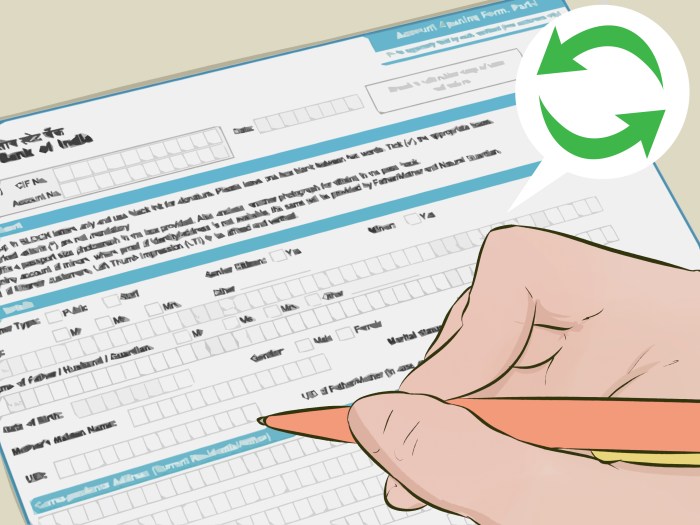
- Fill out the application: Complete the necessary forms provided by the bank, providing accurate personal information.
- Submit required documents: Hand in the completed forms along with the required identification documents to the bank representative.
- Initial deposit: Depending on the bank and type of savings account, you may need to make an initial deposit. Ensure you have the required amount ready.
- Review and sign: Carefully review all the terms and conditions of the savings account, then sign the necessary documents.
- Receive account details: Once your application is processed and approved, you will receive your account details, including the account number and any other relevant information.
Documentation Required
When opening a savings account, you will typically need to provide the following documents:
- Valid identification (ID, passport, driver’s license)
- Proof of address (utility bill, rental agreement)
- Social Security Number (SSN) or Tax Identification Number (TIN)
Initial Deposit Requirements
Some banks may require an initial deposit to open a savings account. The amount can vary depending on the bank and type of account. It is essential to inquire about the specific initial deposit requirement when opening your account.
Managing a Savings Account
Effective management of a savings account is crucial to reaching your financial goals. By following these tips, you can ensure that you are making the most of your savings.
Setting Savings Goals
- Start by defining clear and specific savings goals. Whether it’s for an emergency fund, a vacation, or a down payment on a house, having a target in mind will help you stay motivated.
- Break down your goals into smaller milestones to track your progress and celebrate achievements along the way.
Creating a Budget
- Track your income and expenses to understand where your money is going each month.
- Identify areas where you can cut back on spending to allocate more towards savings.
- Set a realistic budget that allows you to save consistently without feeling deprived.
Automating Savings Transfers
- Set up automatic transfers from your checking account to your savings account on a regular basis, such as monthly or bi-weekly.
- Consider scheduling transfers right after payday to ensure that saving becomes a priority.
- Take advantage of technology and apps that can help you automate your savings and make the process hassle-free.
Savings Account vs. Savings Bonds
When considering options for saving money, individuals often come across the choice between opening a savings account or investing in savings bonds. Both options have their own set of benefits and drawbacks, making it essential to understand the differences between the two before making a decision.
Differentiation
- A savings account is a deposit account held at a financial institution that allows you to earn interest on your deposited funds. It provides easy access to your money, allowing you to withdraw or deposit funds as needed.
- Savings bonds, on the other hand, are debt securities issued by the government or corporations. They offer a fixed interest rate over a specific period, typically ranging from 1 to 30 years.
Benefits and Drawbacks
- Savings Account:
- Benefits:
- Easy access to funds for emergencies or daily expenses.
- Generally offer higher interest rates compared to checking accounts.
- Drawbacks:
- Interest rates may be lower than other investment options like stocks or bonds.
- May have fees or minimum balance requirements.
- Benefits:
- Savings Bonds:
- Benefits:
- Guaranteed return on investment at maturity.
- Can be a low-risk option for conservative investors.
- Drawbacks:
- Interest rates may be lower than other investment options during low-rate environments.
- Penalties for early withdrawal before maturity.
- Benefits:
Suitability
- Choosing between a savings account and savings bonds depends on your financial goals and risk tolerance.
- If you need easy access to your funds and want to earn a modest interest rate, a savings account may be more suitable.
- For individuals looking for a guaranteed return with lower risk, savings bonds could be a better option.
- Consider your liquidity needs, time horizon, and overall investment strategy when deciding between the two.
Take charge of your financial future by following the steps Artikeld in this guide. Start building your savings today and watch your money grow over time.
FAQ Corner
What is the minimum age requirement to open a savings account?
The minimum age to open a savings account varies by bank, but most require individuals to be at least 18 years old. However, some banks offer special accounts for minors with parental consent.
Can I open a savings account online?
Yes, many banks offer the option to open a savings account online. You can usually fill out an application form on the bank’s website and submit the necessary documentation electronically.
Is there a limit to the number of withdrawals I can make from my savings account?
Federal regulations limit certain types of withdrawals and transfers from savings accounts to a maximum of six per month. However, transactions made in person at the bank or ATM are usually unlimited.
Do savings accounts earn interest?
Yes, one of the key benefits of a savings account is that it earns interest on the balance you keep in the account. The interest rate may vary depending on the bank and type of account.