
Delve into the realm of savings bonds with a comprehensive look at how they function and the advantages they offer, promising an enlightening exploration for readers seeking financial insight.
Explore the various types of savings bonds, how to acquire them, and key differentiators from traditional investment avenues.
What Are Savings Bonds?
Savings bonds are a type of investment issued by the government as a way to raise funds. When you purchase a savings bond, you are essentially lending money to the government, which will pay you back with interest over time.
How Savings Bonds Work
Savings bonds typically have a fixed interest rate and a specific maturity date. They can be purchased at a discounted price and will accrue interest until they reach their full face value at maturity. This makes them a low-risk investment option for individuals looking to save money for the long term.
Types of Savings Bonds
- Series EE Bonds: These are low-risk savings bonds that are guaranteed to double in value over 20 years.
- Series I Bonds: These bonds are indexed to inflation, providing a hedge against inflation risk.
- Series HH Bonds: These bonds pay interest every six months and have a maturity period of 20 years.
Benefits of Investing in Savings Bonds
- Safety: Savings bonds are backed by the U.S. government, making them a safe and secure investment.
- Low Minimum Investment: You can purchase savings bonds for as little as $25, making them accessible to a wide range of investors.
- Tax Advantages: Interest earned on savings bonds is exempt from state and local taxes and can be deferred for federal taxes until the bond is redeemed.
Types of Savings Bonds
When it comes to savings bonds, there are several types available to investors. Each type has its own unique features and eligibility criteria. Let’s explore the different types of savings bonds and compare their key attributes.
Series EE Savings Bonds
Series EE Savings Bonds are low-risk, government-backed securities that accrue interest for up to 30 years. They can be purchased in denominations as low as $25 and are sold at face value. These bonds are guaranteed to double in value if held for the full 20-year maturity period.
Series I Savings Bonds
Series I Savings Bonds are inflation-protected securities that earn a combination of a fixed interest rate and a semiannual inflation rate. These bonds are available in electronic form only and can be purchased in amounts ranging from $25 to $10,000 per year.
Eligibility Criteria
To purchase savings bonds, individuals must be U.S. citizens, residents, or civilian employees of the United States regardless of citizenship. Minors can also own savings bonds with the help of an adult co-owner or beneficiary.
Differences from Other Investments
Savings bonds differ from other investment options like stocks or mutual funds in terms of risk and return. While savings bonds offer a guaranteed return and are backed by the government, they typically provide lower returns compared to stocks or mutual funds, which carry higher risks but also the potential for greater rewards.
How to Purchase Savings Bonds
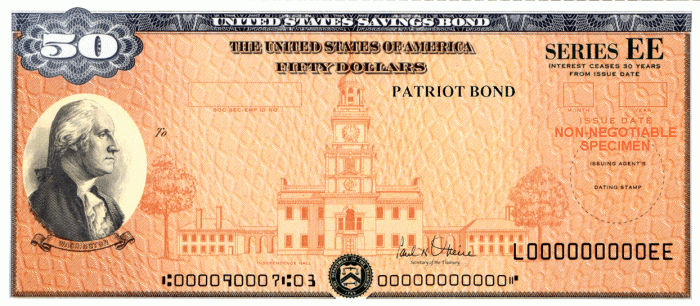
When it comes to buying savings bonds, there are specific steps and considerations to keep in mind to make the most out of your investment. Here is a guide on how to purchase savings bonds effectively.
Process of Purchasing Savings Bonds
- Decide on the type of savings bond you want to buy, whether it’s Series EE or Series I bonds.
- Choose the purchase amount, which can range from $25 to $10,000 per bond type per calendar year.
- Provide your Social Security Number and other personal information required for the purchase.
- Make the payment for the bond either electronically or through your tax refund if using the IRS tax refund option.
- Receive the electronic savings bond in your TreasuryDirect account or the paper bond if purchased through your tax refund.
Where to Buy Savings Bonds
- Savings bonds can be purchased online through the TreasuryDirect website.
- You can also buy paper savings bonds using your IRS tax refund by selecting the option on your tax return form.
Restrictions and Limitations
- There is a limit on how much you can invest in savings bonds each year, which is $10,000 per bond type per calendar year.
- Savings bonds cannot be transferred or sold to others and must be held until maturity for the full benefit.
Tips for Maximizing Benefits
- Consider setting up automatic purchases to regularly invest in savings bonds and build your savings over time.
- Understand the interest rates and maturity dates of the bonds to make informed decisions on your investment strategy.
- Monitor the performance of your savings bonds and consider cashing them out when they reach maturity to access the full value.
Savings Account vs. Savings Bonds
When it comes to saving money, individuals often have the option to choose between savings accounts and savings bonds. While both serve as ways to grow savings, there are key differences between the two that should be considered.
Interest Rates
One of the primary differences between savings accounts and savings bonds is the interest rates offered. Savings accounts typically offer lower interest rates compared to savings bonds. This means that savings bonds have the potential to provide higher returns over time.
Liquidity of Funds
Savings accounts are known for their high liquidity, allowing account holders to easily access their funds when needed. On the other hand, savings bonds often have restrictions on when they can be redeemed, making them less liquid than savings accounts.
Risks Associated
While both savings accounts and savings bonds are generally considered safe investment options, they do come with their own set of risks. Savings accounts are subject to inflation risk, as the interest earned may not keep pace with the rising cost of goods and services. On the other hand, savings bonds are subject to interest rate risk, as changes in interest rates can affect the value of the bonds.
In conclusion, What Are Savings Bonds? encapsulates a valuable investment strategy that provides stability and growth potential, making it a prudent choice for investors of all levels.
FAQ Insights
What are the benefits of investing in savings bonds?
Investing in savings bonds offers a low-risk option with guaranteed returns, making it a secure choice for conservative investors.
How do savings bonds differ from stocks and mutual funds?
Savings bonds provide a fixed return over time, unlike stocks and mutual funds that are subject to market fluctuations and offer variable returns.


