
Embark on a journey towards securing your retirement with Savings Bonds for Retirement. Discover the ins and outs of this smart investment option and how it can benefit your financial future.
Delve into the various types of savings bonds, compare them with other investment choices, and learn valuable tips for maximizing their potential in your retirement portfolio.
Savings Bonds for Retirement
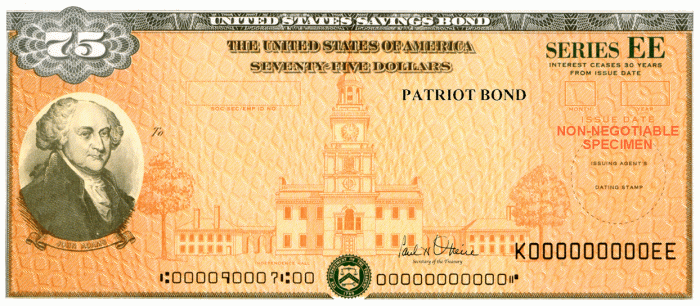
When planning for retirement, savings bonds can be a valuable tool to consider. Savings bonds are low-risk investments issued by the government that pay interest over a fixed period of time. They can be a reliable option for those looking to secure a portion of their retirement funds.
Benefits of Savings Bonds for Retirement
- Safety: Savings bonds are backed by the U.S. government, making them a secure investment option for retirement planning.
- Stability: Unlike stocks or other investments, savings bonds offer a fixed rate of return, providing stability in your retirement portfolio.
- Tax advantages: Interest earned on savings bonds is exempt from state and local taxes, making them a tax-efficient choice for retirement savings.
Types of Savings Bonds for Retirement
- Series EE Bonds: These bonds are purchased at a discount to face value and accrue interest over time. They can be redeemed after a year but are best held for at least 20 years to maximize returns.
- Series I Bonds: These bonds offer a combination of a fixed interest rate and an inflation rate component. They provide a hedge against inflation and can be a good addition to a retirement portfolio.
Tips for Incorporating Savings Bonds into a Retirement Portfolio
- Diversify: Consider adding a mix of savings bonds and other investments to your retirement portfolio to balance risk and return.
- Long-term approach: Hold savings bonds for an extended period to benefit from compounding interest and maximize returns.
- Monitor rates: Keep an eye on interest rates and consider purchasing savings bonds when rates are favorable for long-term retirement planning.
Savings Account vs. Savings Bonds
When planning for retirement, individuals often consider various options to grow their savings. Two common choices are savings accounts and savings bonds. Let’s explore the differences between them in terms of returns, risks, liquidity, and tax implications.
Returns and Risks
Savings accounts typically offer lower returns compared to savings bonds. While savings accounts provide easy access to funds and are insured by the FDIC up to a certain limit, the interest rates are generally lower. On the other hand, savings bonds usually offer higher interest rates but may come with longer maturity periods and penalties for early withdrawal.
Liquidity
Savings accounts are highly liquid, allowing account holders to withdraw funds at any time without facing penalties. This makes them a convenient option for emergency savings or short-term financial goals. In contrast, savings bonds often have restrictions on when they can be redeemed without incurring penalties, making them less liquid than savings accounts.
Tax Implications
Interest earned from savings accounts is subject to income tax, which means account holders need to report it on their tax returns. Conversely, the interest earned on savings bonds may be subject to federal income tax, but exempt from state and local taxes if used for qualifying educational expenses. Understanding the tax implications can help individuals make informed decisions based on their financial goals.
Scenarios for Choosing Savings Account over Savings Bonds
- If you need quick access to funds for emergencies or short-term goals, a savings account would be more suitable due to its high liquidity.
- When interest rates are low, and you prefer flexibility in managing your savings without worrying about penalties, a savings account could be a better option.
- If you are in a lower tax bracket and prefer simplicity in managing your finances, a savings account might be a more straightforward choice compared to dealing with the tax implications of savings bonds.
In conclusion, Savings Bonds for Retirement offer a secure and reliable way to plan for your future. By understanding the nuances of this investment option, you can make informed decisions to safeguard your retirement savings.
FAQ Summary
Are savings bonds a safe option for retirement planning?
Yes, savings bonds are considered a safe and low-risk investment option, making them ideal for retirement planning.
What are the tax implications of using savings bonds for retirement savings?
Savings bonds offer tax advantages such as tax-deferred growth, making them a tax-efficient choice for retirement savings.
How can I effectively incorporate savings bonds into my retirement portfolio?
To maximize the benefits of savings bonds, consider diversifying your portfolio with a mix of different types of bonds and other investment vehicles.
Can savings accounts be a better option than savings bonds for retirement?
In certain scenarios where liquidity and flexibility are key, savings accounts might be more suitable than savings bonds for retirement savings.


