
Savings Bond Interest Rates sets the stage for this enthralling narrative, offering readers a glimpse into a story that is rich in detail with casual formal language style and brimming with originality from the outset.
Exploring the intricacies of savings bond interest rates, their determinants, and historical trends can provide valuable insights into the world of investment.
Savings Bond Interest Rates
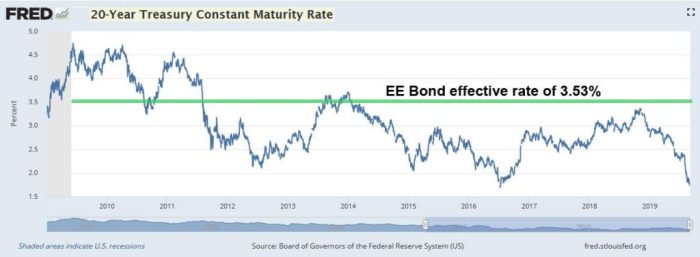
Savings bond interest rates play a crucial role in determining the returns that investors receive on their investments. These rates are influenced by various factors and can vary depending on the type of savings bond.
How Savings Bond Interest Rates are Determined
The U.S. Department of the Treasury sets the interest rates for savings bonds based on prevailing market conditions and economic factors. These rates are typically adjusted every six months in response to changes in interest rates and inflation.
Comparison of Different Types of Savings Bonds
- Series EE Bonds: These bonds earn a fixed rate of interest for up to 30 years and are guaranteed to double in value after 20 years.
- Series I Bonds: These bonds earn a combination of a fixed rate and an inflation rate, providing protection against inflation.
Historical Trends in Savings Bond Interest Rates
Historically, savings bond interest rates have fluctuated in response to economic conditions. For example, during periods of high inflation, the rates on Series I Bonds tend to be higher to account for the impact of inflation on purchasing power.
Factors Influencing Changes in Savings Bond Interest Rates
- Economic Indicators: Factors such as inflation, interest rates, and economic growth can influence changes in savings bond interest rates.
- Government Policy: Changes in government policy, such as adjustments to monetary policy or fiscal stimulus, can impact savings bond rates.
- Market Conditions: Fluctuations in the bond market and investor demand can also affect savings bond interest rates.
Types of Savings Bonds
When it comes to savings bonds, there are different types available to investors. Each type comes with its own unique features and benefits, making them suitable for different financial goals. Let’s take a closer look at the various types of savings bonds:
Series EE Savings Bonds
Series EE Savings Bonds are low-risk savings products issued by the U.S. Treasury Department. They are purchased at face value and accrue interest for up to 30 years. These bonds are designed to be a safe and long-term investment option.
Series I Savings Bonds
Series I Savings Bonds are inflation-protected savings products that offer a combination of a fixed interest rate and an adjustable inflation rate. These bonds are a popular choice for investors looking to protect their savings from inflation.
United States Savings Bonds
United States Savings Bonds, also known as Patriot Bonds, are no longer available for purchase but can still be redeemed. These bonds were issued to finance military operations and were a patriotic investment option for individuals.
529 Savings Bonds
529 Savings Bonds are a type of savings bond specifically designed to help individuals save for education expenses. These bonds offer tax advantages when used for qualified educational expenses, making them a popular choice for college savings.
Interest Rates and Eligibility
The interest rates for savings bonds can vary depending on the type of bond and the current market conditions. Series EE and Series I Savings Bonds have different interest rate structures, with Series I Bonds offering inflation protection. Eligibility criteria for purchasing savings bonds also vary, with some bonds having restrictions based on income or intended use.
Investing in Savings Bonds vs. Savings Accounts
When it comes to deciding between investing in savings bonds or putting your money into a savings account, there are several factors to consider. Let’s explore the key differences between the two options and weigh the pros and cons of each.
Differentiation between Savings Bonds and Savings Accounts
- Savings Bonds typically offer higher interest rates compared to savings accounts, making them a potentially more lucrative investment option.
- Savings Bonds are issued by the government and have a fixed term before they mature, while savings accounts are more flexible and allow for easy access to funds.
Pros and Cons of Investing in Savings Bonds vs. Savings Accounts
- Pros of Savings Bonds: Higher interest rates, lower risk compared to other investments, and can be a good way to save for long-term goals.
- Cons of Savings Bonds: Limited liquidity as funds are tied up for a specific period, potential penalties for early withdrawal, and may not keep pace with inflation.
- Pros of Savings Accounts: Easy access to funds, no penalties for withdrawal, and can serve as an emergency fund or short-term savings solution.
- Cons of Savings Accounts: Lower interest rates, may not provide significant returns over time, and can be susceptible to inflation eroding the value of savings.
Scenarios where Investing in Savings Bonds may be Beneficial
- When you have a specific long-term financial goal, such as retirement or education expenses, investing in savings bonds can help you earn higher returns over time.
- If you have a low risk tolerance and prefer a more stable investment option, savings bonds can provide a secure way to grow your savings.
Comparison of Interest Rates between Savings Bonds and Savings Accounts
Savings bonds generally offer higher interest rates compared to savings accounts, making them a more attractive option for those looking to maximize their returns on investment.
In conclusion, delving into the realm of savings bond interest rates sheds light on the nuances of financial decision-making, guiding individuals towards informed choices for their future investments.
Frequently Asked Questions
How are savings bond interest rates determined?
Savings bond interest rates are typically based on market conditions and set by the government.
What are the different types of savings bonds available?
There are various types such as Series EE, Series I, and Treasury bonds, each with its own features.
How do savings bond interest rates compare to savings accounts?
Savings bond interest rates are usually higher than those of savings accounts, making them an attractive investment option.


